




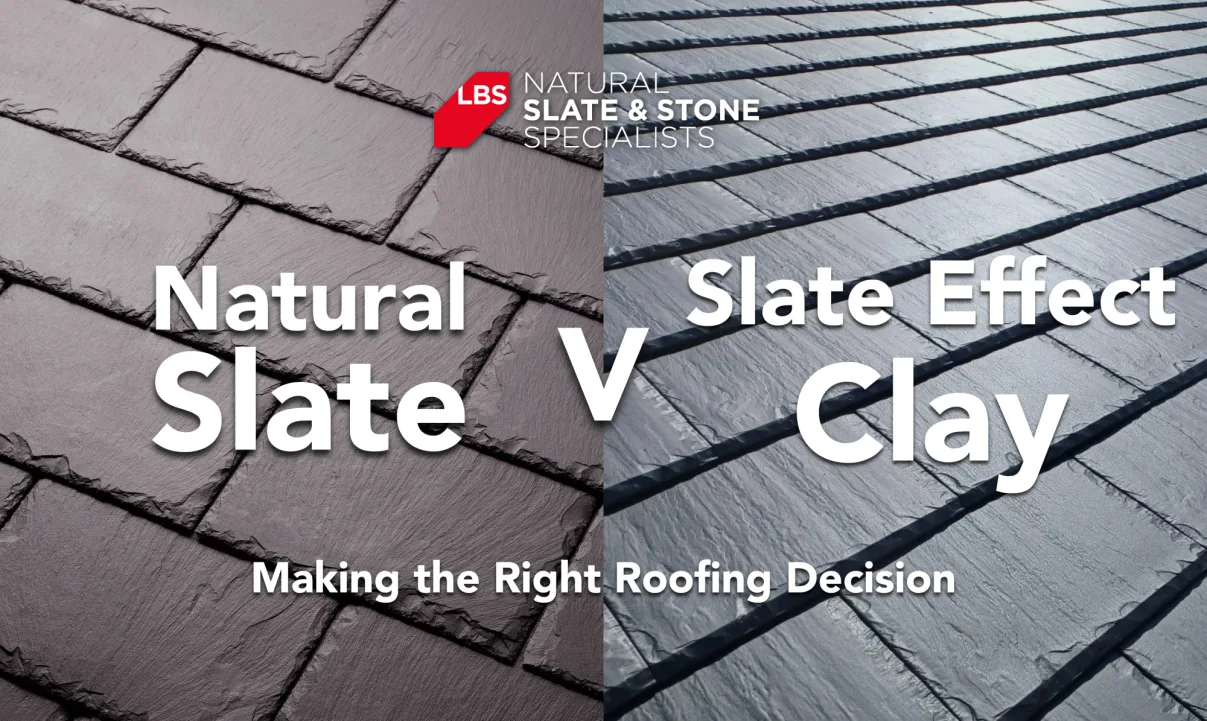
When it comes to choosing the right roof covering, few materials compare to the enduring appeal of slate. For centuries, natural slate has been the go-to choice for its beauty, longevity and prestige. But today, slate effect clay tiles are giving homeowners and specifiers another compelling option, one that delivers the slate look with added benefits in cost, installation and consistency.
So, which is right for your project? Let’s explore.
The Beauty of Natural Slate
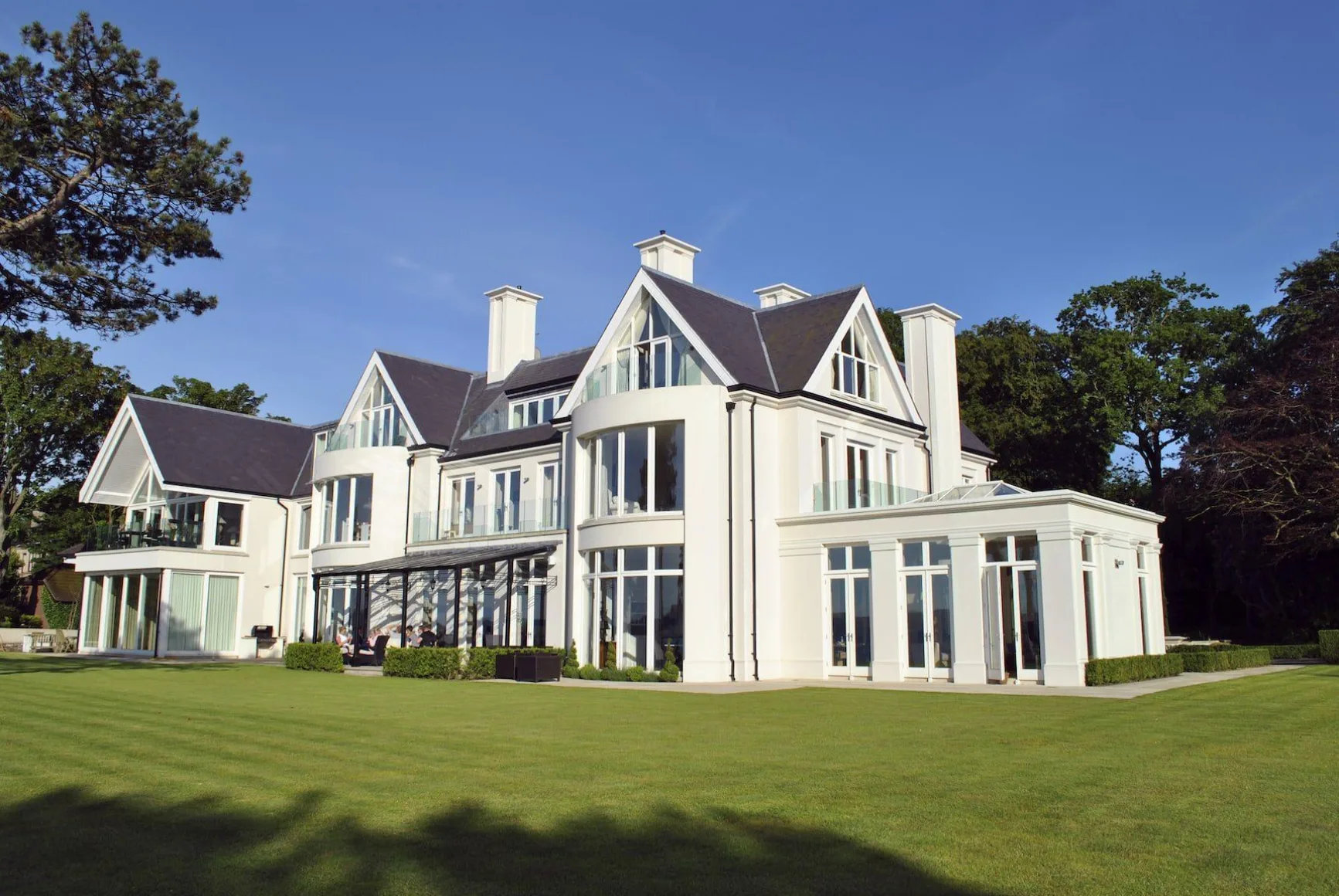
Natural slate is a product of the earth, each piece quarried, split and shaped to reveal its unique texture and colour. No two slates are ever quite the same, which gives a natural slate roof a character and authenticity that’s difficult to replicate.
A well-installed natural slate roof can last well over 100 years, making it one of the most durable roofing materials available. It’s fireproof, weather resistant and virtually maintenance-free once in place. For heritage, conservation, or prestige builds, natural slate is often the material of choice.
The trade-off? It requires a greater initial investment, both in material and in skilled labour for installation. Natural slate is generally lighter than many manufactured alternatives, which means your roof structure doesn’t have to carry as heavy a load. However, because slate can vary depending on the quarry and region it comes from, future repairs may require careful sourcing to ensure a perfect match decades down the line.
The Case for Slate Effect Clay Tiles
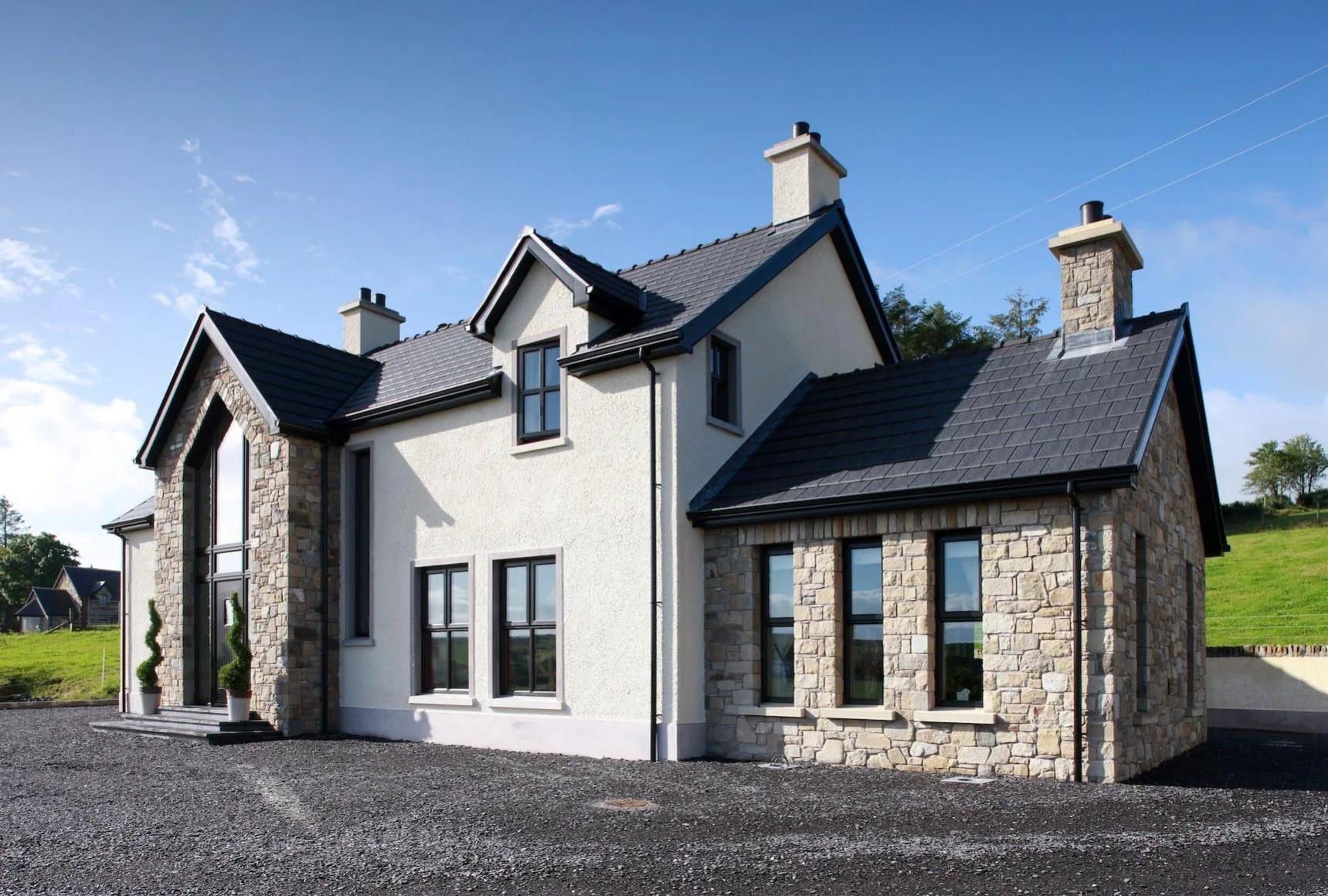
Slate effect clay tiles, such as the Snowdon and Shetland ranges from LBS, are engineered to replicate the look of natural slate, but with a modern twist. Manufactured using high-quality clay, these tiles are moulded with subtle surface textures and deep, permanent colour.
Unlike natural slate, the appearance of clay slate effect tiles is highly consistent. This makes them ideal for projects where uniformity is preferred, and it avoids the time-consuming sorting and grading that natural slate often requires. The large-format, interlocking design means installation is typically faster and more cost-effective, reducing overall project spend.
Performance is another key advantage. Slate effect clay tiles are kiln-fired at over 1,000°C, ensuring their colour won’t fade over time. They are frost-resistant, durable, and come with a 50-year manufacturer guarantee for complete peace of mind. They can be used in a wider range of projects without major structural considerations, but they are slightly heavier that natural slate at 37KG per m2. Clay tiles are a very versatile product for bespoke roofing and low angle roof pitches.
How to Decide What’s Right for You?
Better for the Environment
When it comes to sustainability, both natural slate and clay roofing tiles have clear advantages over concrete alternatives. Slate is a 100% natural product that requires minimal processing, giving it one of the lowest embodied carbon footprints of any roofing material.
Clay tiles are also fired from natural earth materials and are fully recyclable at the end of their long lifespan.
In contrast, concrete roof tiles often require more intensive manufacturing processes, use higher levels of energy, and have a shorter lifespan, meaning they need replacing more frequently. Choosing slate or clay isn’t just a decision for quality and aesthetics, it’s also a positive step toward reducing environmental impact and supporting more sustainable construction.
Our Take at LBS
At LBS, we supply both natural slate and slate effect clay tiles because we know every project is different. Some customers want the prestige of a natural slate roof; others need the flexibility and value of modern clay tiles. Our job is to help you find the right balance for your build, whether that’s based on budget, style, or long-term performance.
👉 Explore our Natural Slate and Slate Effect Clay Tile ranges or get in touch with our team for advice on what will work best for your project.
Speak To Us Today
Our team of experts are on hand to help with your next project.
Order a Sample