





Natural slate has been used as a roofing material for centuries and remains one of the most durable, sustainable and aesthetically appealing roof coverings available today. Formed naturally over hundreds of millions of years, roofing slate is quarried from geological formations around the world, with each source producing a material that offers unique characteristics and performance benefits.
At LBS, we supply one of the most comprehensive natural slate ranges available across Ireland and the UK, including Welsh, Canadian, Cumbrian, Spanish, Brazilian and Chinese slates. Understanding the geological origins of these materials helps architects, contractors, conservation specialists and homeowners select the most appropriate slate for their project.
What Is Natural Slate?
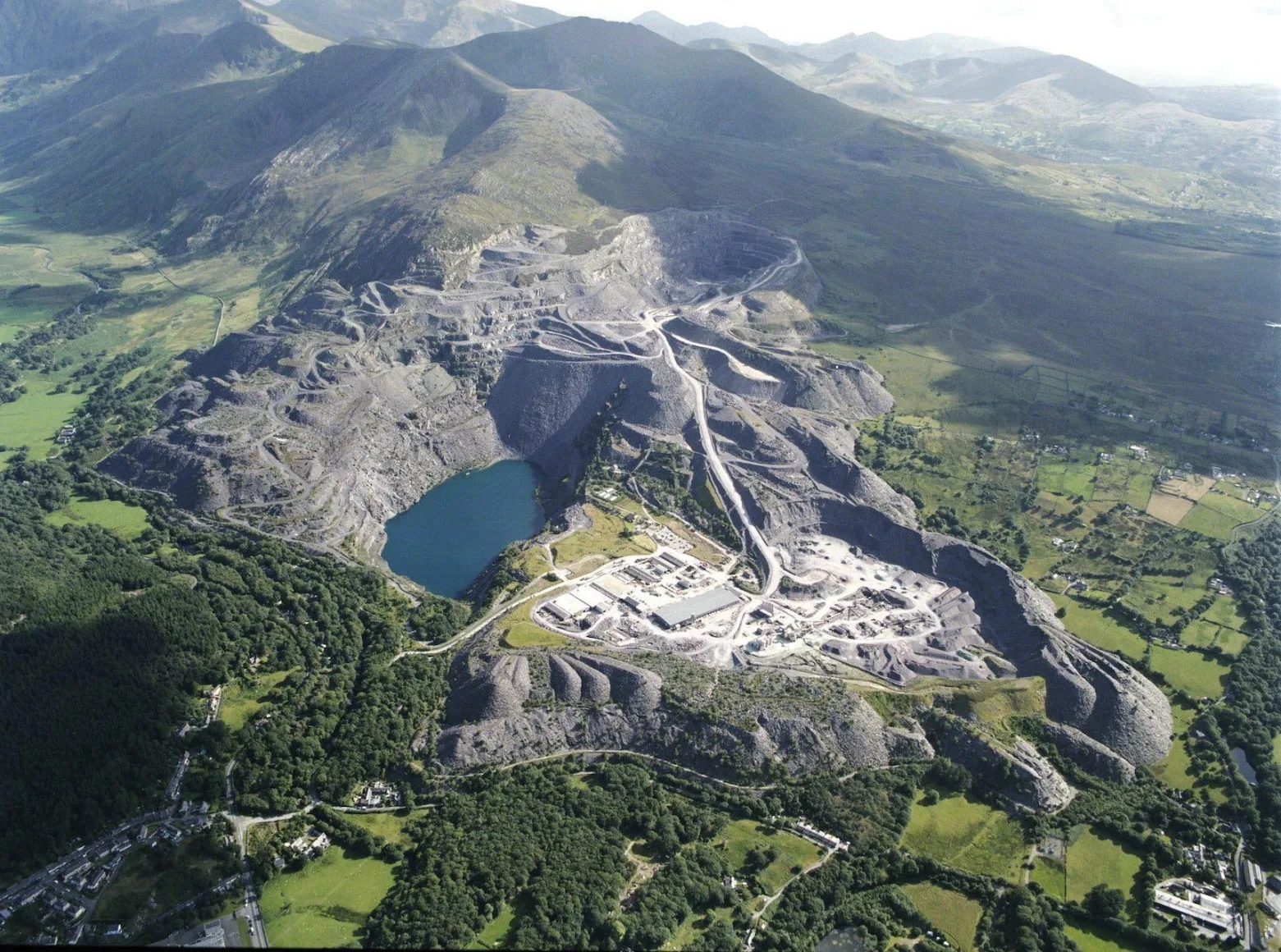
Natural slate is a fine-grained stone formed when layers of sediment deposited on ancient seabeds are subjected to heat and pressure over millions of years. This process creates a dense, durable material that can be split into thin, consistent roofing slates.
Natural roofing slate is valued for:
- Exceptional lifespan
- Low water absorption
- Natural beauty and colour variation
- Sustainability
- Fire resistance
- Minimal maintenance requirements
Many of the world's best roofing slates are classified as metamorphic rocks, meaning they have been transformed by significant geological pressure and heat.
Why Does the Geological Origin of Slate Matter?
The geological formation of a slate influences its:
- Durability
- Density
- Water absorption
- Colour consistency
- Workability
- Long-term weathering characteristics
While all roofing slates may appear similar from a distance, the geological differences between quarries and regions can significantly affect performance and suitability for specific projects.
Welsh Slate: The Benchmark for Heritage Roofing
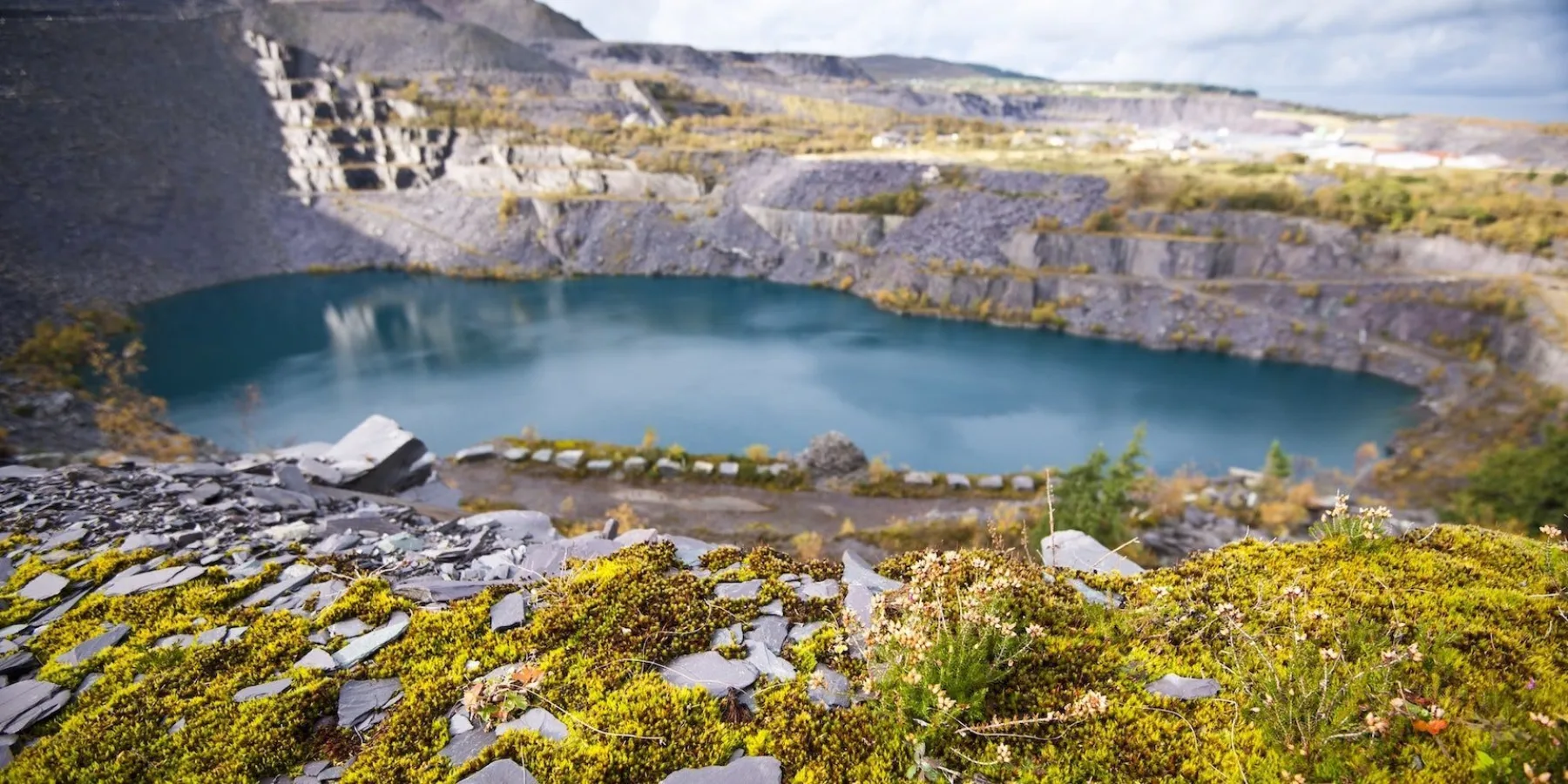
Welsh slate, particularly Penrhyn Bangor Blue, is widely regarded as one of the finest roofing materials available.
Welsh slate was formed approximately 500 million years ago during the Ordovician period. It originated as marine sediments that were transformed through intense metamorphic activity.
Key Characteristics
- Dense Metamorphic Structure
- Extremely Low Water Absorption
- Distinctive Heather Colour
- Exceptional longevity
- Strong conservation credentials
- Free from Phyrite
- Minimal Waste
- Less Labour when Fitting
- 100-year guarantee
Typical Applications:
- Listed buildings
- Conservation projects
- Churches
- Historic estates
- Premium residential developments
For many conservation architects, Welsh slate remains the reference standard against which other roofing slates are measured.
Canadian Slate: Premium Performance and Consistency
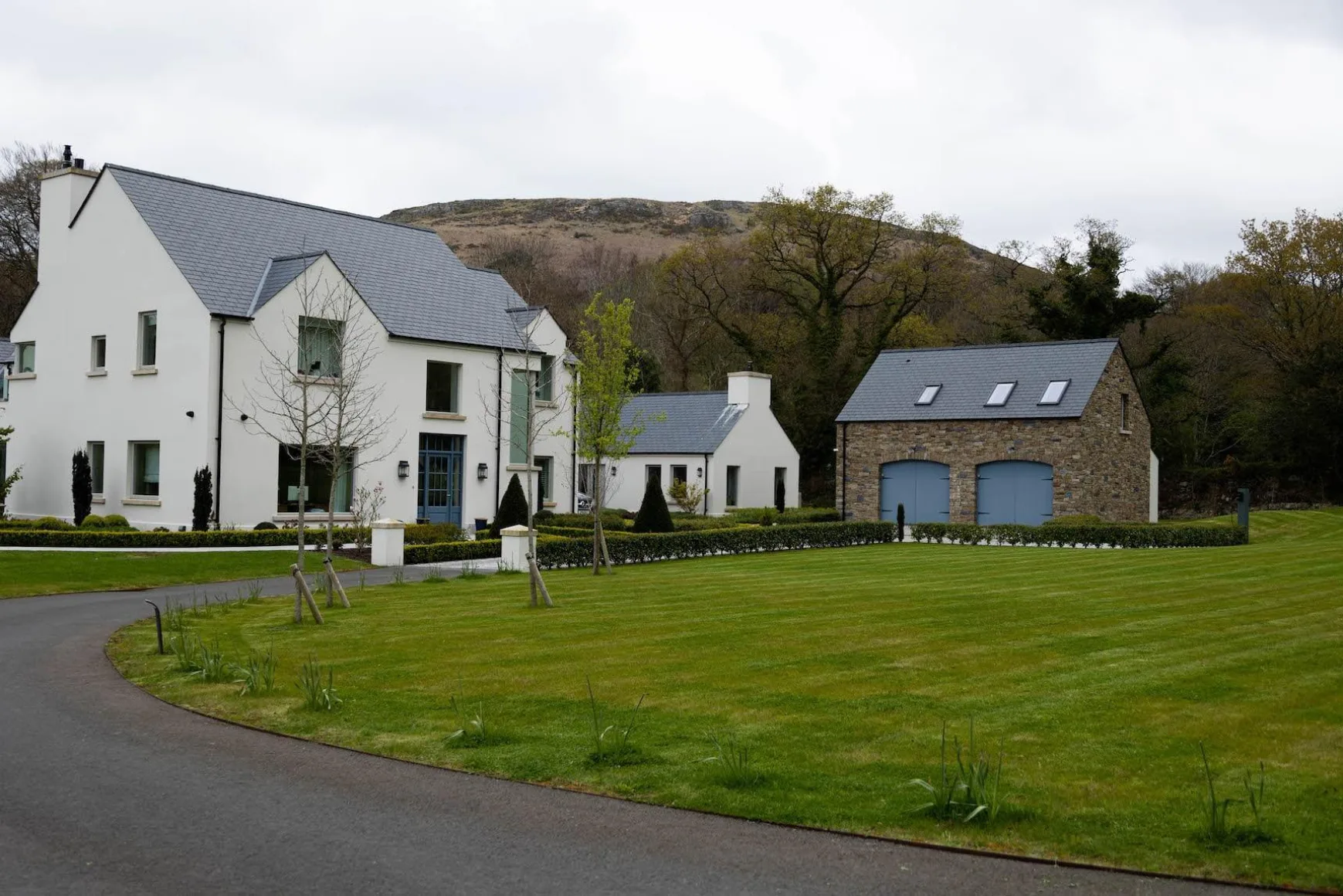
Canadian Glendyne slate is quarried in Quebec and has become increasingly popular on premium architectural projects throughout the UK and Ireland.
Formed approximately 490 million years ago, Glendyne slate developed from marine sediments subjected to intense geological pressure.
Key Characteristics
- Very low water absorption
- Consistent Blue Grey Colour
- Dense metamorphic structure
- Excellent durability
- Premium architectural appearance
- Minimal Waste
- Less Labour when Fitting
- 75-year guarantee
Typical Applications
- Luxury homes
- Contemporary architecture
- Commercial developments
- High specification residential projects
Cumbrian Slate: Britain's Premium Indigenous Slate
Burlington Slate is sourced from Cumbria's Lake District and is one of Britain's most prestigious natural roofing materials, Producing Burlington blue-grey slate & the Westmorland green slate.
Formed approximately 450 – 480 million years ago, Burlington slate originated from ancient marine sediments that were transformed during mountain building events.
Key Characteristics
- Strong durability
- Distinctive natural appearance
- UK quarry provenance
- Suitable for heritage and modern projects
- Minimal Waste
- 100-year guarantee
Typical Applications
- Conservation projects
- National Park developments
- Luxury homes
- Architectural roofing schemes
As England's only major remaining slate quarry, Burlington offers a unique combination of heritage, quality and local sourcing.
Spanish Slate: The Most Widely Used Roofing Slate
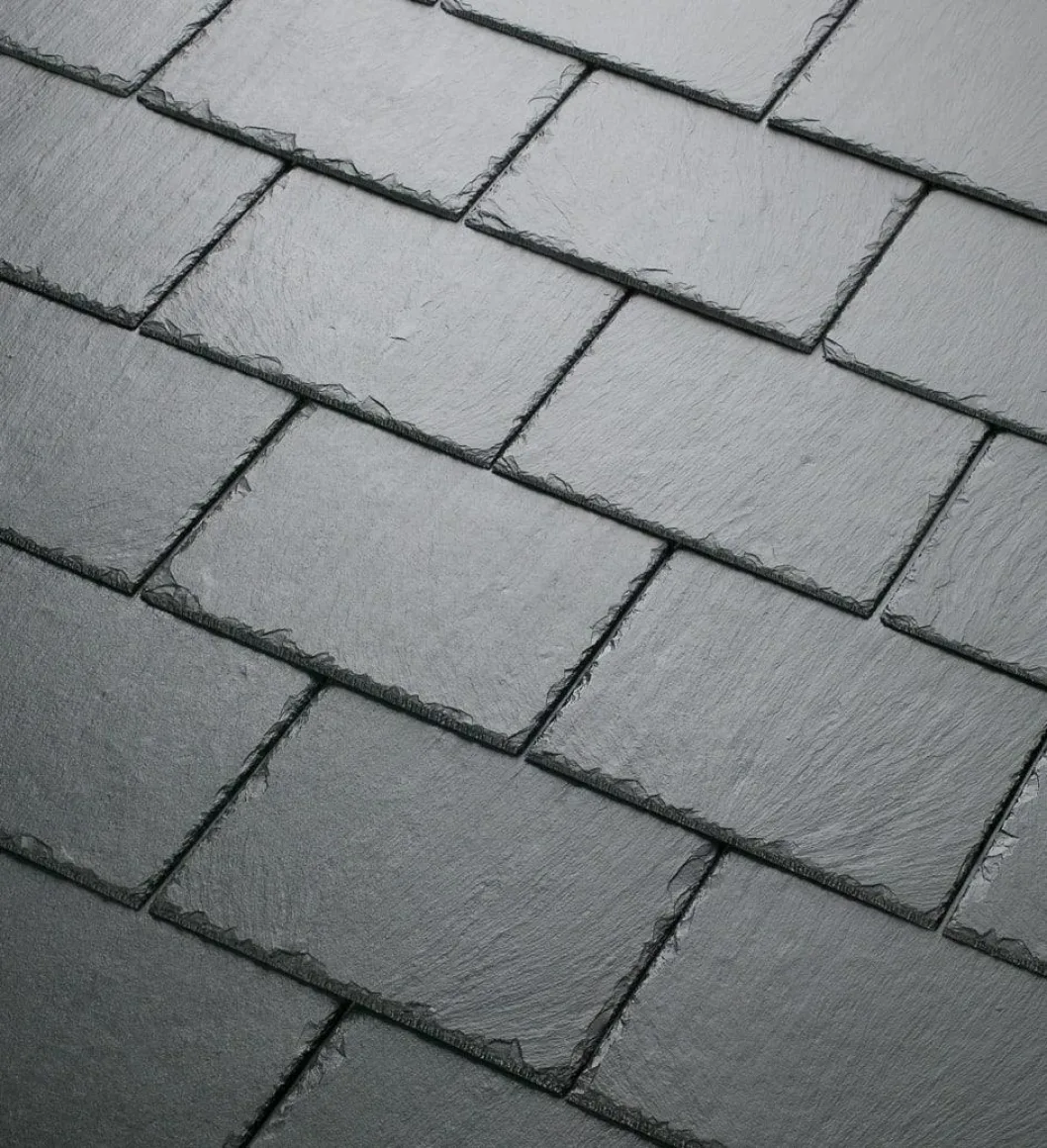
Spain is the world's largest producer of roofing slate and supplies much of the slate used across Europe. Spanish slate is primarily quarried in Galicia and Castilla y León, where geological conditions created extensive metamorphic slate deposits approximately 400 million years ago.
Key Characteristics
- Reliable performance
- Consistent quality
- Excellent weather resistance
- Wide range of textures and finishes
- Strong value proposition
Typical Applications
- Residential developments
- Self-build projects
- Commercial roofing
- Housing schemes
Spanish slate provides an excellent balance between durability, appearance and affordability.
Brazilian Slate (Metalutite): Understanding the Geological Difference
Brazilian roofing slate occupies a commercial position within the natural roofing market, providing a cost-effective alternative for residential projects.
Brazilian roofing stone is primarily quarried in the Minas Gerais region from ancient sedimentary riverbed rock formations.
Unlike Welsh, Canadian, Cumbrian and most Spanish slates, many Brazilian roofing products are not classified as true metamorphic slates. Instead, they are often described as mud stone / metalutite depending on the quarry source, Brazilian slate is positioned as a low-cost solution similar to man made products.
What Does This Mean?
This geological distinction helps explain why Brazilian slate occupies a different market position to premium metamorphic slates.
It remains a natural roofing product but is typically selected where:
- Budget is a primary consideration
- Natural stone appearance is desired
- A commercial cost-effective roofing solution is required
Key Characteristics
- Natural stone aesthetics
- Consistent colour
- Weather resistance
- Economical specification option
- Must be hook fixed when installing
Chinese Slate: Practical and Economical Natural Roofing
Chinese slate has become an established roofing material for projects requiring the appearance and benefits of natural slate within a tighter budget.
Chinese slate originates from sedimentary deposits that have undergone low-grade metamorphism, producing a practical roofing material with consistent characteristics.
Key Characteristics
- Dark black colouring
- Smooth texture
- Competitive pricing
- Reliable performance
Typical Applications
- Residential housing
- Renovation projects
- Budget conscious developments
Natural Slate Comparison: Which Slate Is Right for Your Project?
The best roofing slate depends on the requirements of the project.
Heritage and Conservation
- Welsh Slate
- Burlington Slate
Premium Residential and Architectural Projects
- Canadian Glendyne Slate
- Welsh Slate
- Burlington Slate
Mainstream Residential and Commercial Roofing
- Spanish Slate
Budget-Conscious Natural Roofing Projects
- Brazilian Slate
- Chinese Slate
Frequently Asked Questions
What is the most durable natural roofing slate?
Welsh, Canadian and Burlington slates are widely regarded as some of the most durable natural roofing materials available due to their dense metamorphic structure and low water absorption.
Is Brazilian slate real slate?
Brazilian roofing products are natural stone roofing materials, but many are not classified geologically as true metamorphic slates. They are often described as roofing stones or low-grade metamorphic materials.
What is the difference between Welsh and Spanish slate?
Welsh slate is typically associated with heritage, conservation and premium projects, while Spanish slate offers excellent performance and value across a broader range of residential and commercial applications.
Which natural slate is best for conservation projects?
Welsh Slate and Burlington Slate are commonly specified for conservation, heritage and listed building projects.
Expert Natural Slate Advice from LBS
With one of the most comprehensive natural slate portfolios in the UK and Ireland, LBS supports architects, contractors, merchants and homeowners in selecting the right roofing slate for every application.
If you are working on a listed building restoration, a luxury self-build home, a housing development or a commercial roofing project, our team can provide technical guidance, specification support and access to premium natural roofing materials from around the world.
Because when it comes to natural slate, understanding where it comes from is the first step in understanding how it will perform.
Speak To Us Today
Our team of experts are on hand to help with your next project.
Explore Natural Slate